
Did you know? Oral and maxillofacial surgeons are trained in both dentistry and medicine, enabling them to perform complex surgeries on the mouth, jaw, and face.
Treatment Type #6
Oral Surgery: From Procedure to Aftercare.
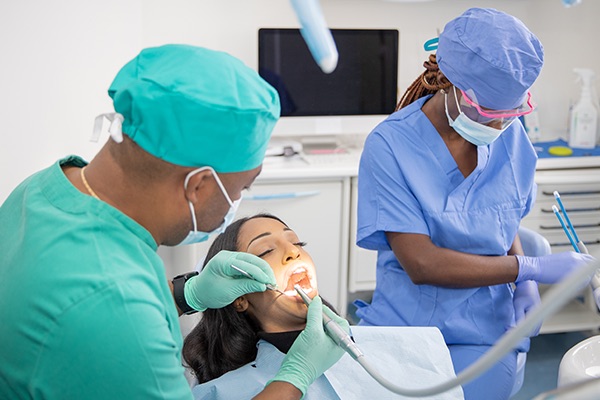
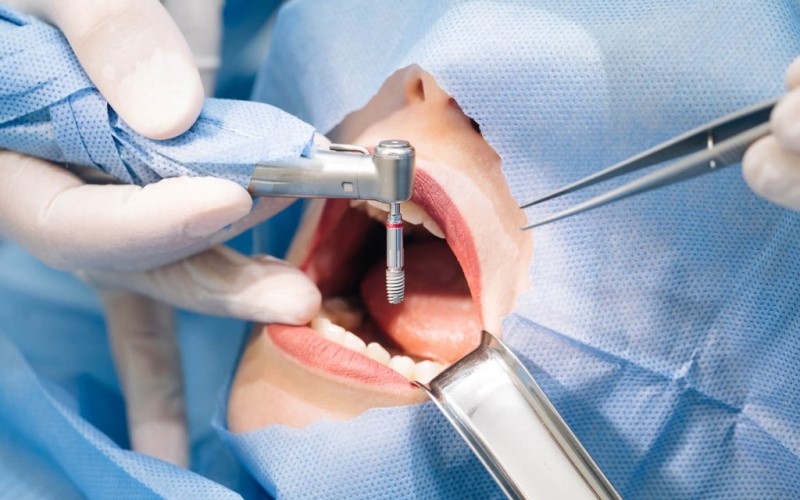
Oral surgical treatment encompass various surgical procedures performed on your teeth, gums, jaws, or other oral structures. This includes extractions, implants, gum grafts, and jaw surgeries.
→ Our Oral Surgery Procedure:
Our oral surgery procedure plays a critical role in restoring oral health, safeguarding patient safety, and ensuring successful outcomes.

1. Preoperative Evaluation
Comprehensive assessment and diagnostic tests are conducted to plan the surgical approach.
2. Anesthesia Administration
An anesthesiologist administers the appropriate anesthesia based on the procedure and patient’s needs.
3. Surgical Procedure
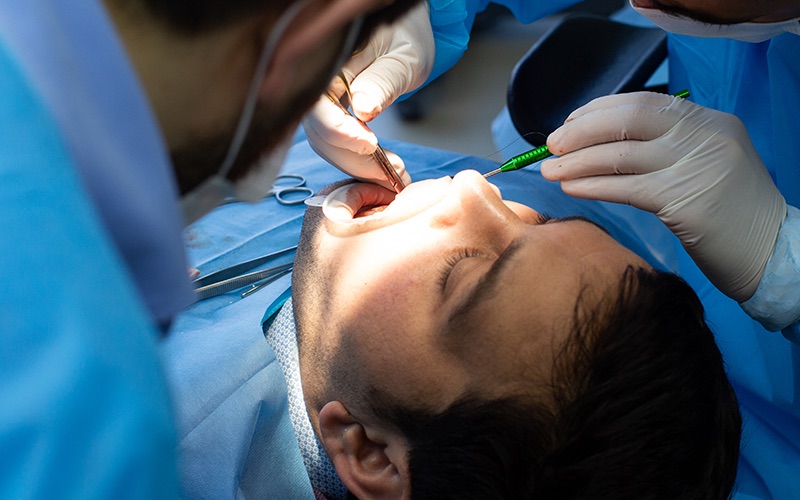
The surgeon performs the necessary steps, such as tissue manipulation or removal, with precision and care.

Quick Tip:
Make sure to follow all preoperative instructions provided by your surgeon, such as fasting before the procedure.
4. Closing the Incision
The incision site is meticulously closed using sutures, staples, or adhesive strips to promote proper healing.
5. Postoperative Instructions
Detailed guidance is provided regarding wound care, medications, and activity restrictions to facilitate recovery.
6. Follow-up Appointments
Patients are scheduled for postoperative visits to monitor healing progress and address any concerns.
→ Learn About Recognizing the Need for Oral Surgery:
Dental surgical treatments become necessary when oral bacteria invade the tooth pulp, leading to extensive tooth decay, gum disease, impacted teeth, missing teeth, temporomandibular joint disorders (TMD), bone loss in the jaw, sleep apnea, oral cancer, or benign oral pathology.
Did you know?
Oral surgeons play a critical role in facial reconstruction, helping patients recover both function and appearance after traumatic injuries or congenital defects.
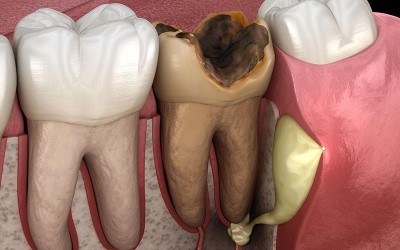
Pain and Infections
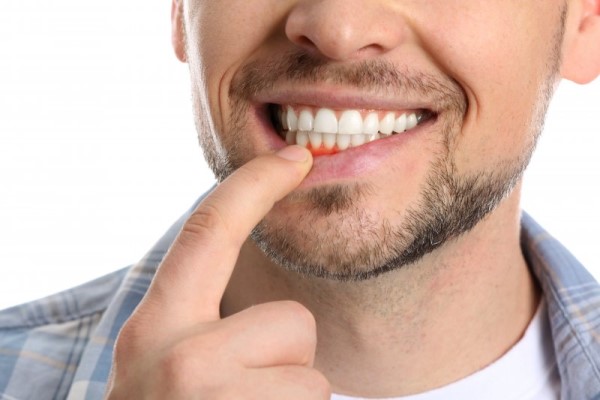
Persistent pain, swelling, or infections in the mouth can indicate severe underlying issues like tooth abscesses or advanced gum disease, requiring surgical intervention to prevent further complications and restore oral health.
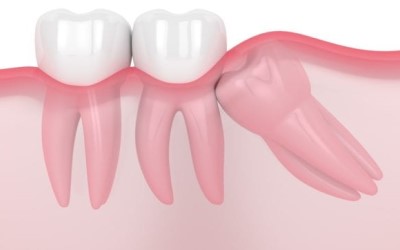
Functional and Structural Issues
Conditions such as impacted teeth, missing teeth, TMD, or significant bone loss in the jaw can impair chewing, speaking, and overall dental function, making oral surgery essential for improving quality of life and oral functionality.
→ What are the Benefits of Oral Surgery?
Discover the multitude of advantages oral surgeries offer, from restoring tooth structure to enhancing oral health and aesthetics.
Restores Ability to Chew
Oral surgery can restore the ability to chew that had been compromised by missing or damaged teeth.
Enhances Cosmetic Appearance
Improves the cosmetic appearance of teeth, enhancing the smile and boosting confidence.
Prevents Bone Loss
Especially dental implants, preventing bone loss in the jaw after tooth extraction.
Preserves Health of Surrounding Bone and Gums
Aids in preserving the health of the surrounding bone and gums.
Keeps Adjacent Teeth Stable
Helps maintain stability in adjacent teeth.
Alleviates Clicking of the Jaw
Surgical treatment can alleviate clicking or popping sensations in the jaw joint, improving comfort and function.
Reduces Bleeding or Swollen Gums
Oral surgical procedures like gum grafts or periodontal surgeries can effectively reduce bleeding or swollen gums.
Prevents Further Complications
Addresses underlying issues before they lead to more severe complications, ensuring long-term oral health.
Aftercare Tips:
Proper aftercare for oral surgery is essential for promoting healing, preventing complications, and ensuring the best possible outcome for your treatment.
1. Avoid Touching Surgical Area
Steer clear of hard, chewy, or sticky foods for up to two weeks after the procedure.
2. Get Adequate Rest
Ensure adequate rest, avoiding physical exertion and vigorous exercise for about a week.
3. Take Pain Relief Medication
Use Tylenol for pain relief, avoiding NSAIDs.
4. Avoid Hot Meals and Drinks
Steer clear of hot meals, drinks, and hard, crunchy foods for at least a week post-surgery.
5. Maintain Good Oral Hygiene
Brush teeth twice daily with fluoride toothpaste and practice daily flossing.
6. Regular Dental Check-ups
Schedule a follow-up appointment if recommended by your dentist to monitor healing and prevent any potential oral health issues.
(Click to view images)