
Did you know? Dental implants were first introduced in modern dentistry in the 1950s by Swedish orthopedic surgeon Per-Ingvar Brånemark, who discovered osseointegration, the process where bone integrates with titanium.
Treatment Type #12
Dental Implants: From Procedure to Aftercare.
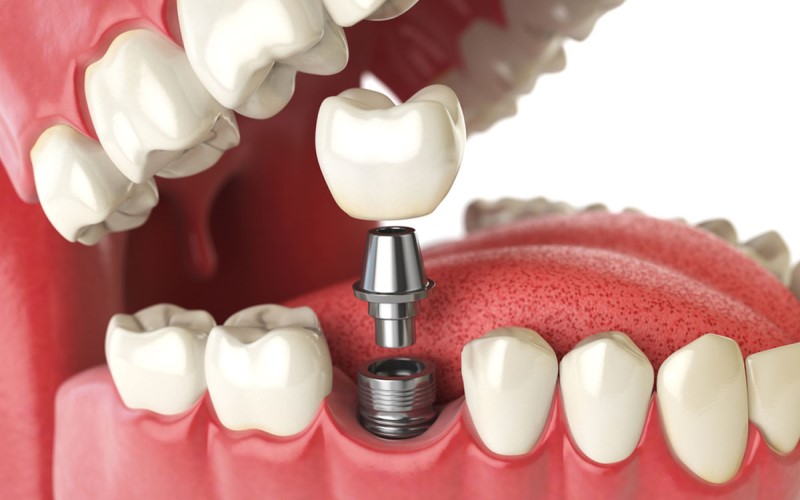
Dental implants are artificial tooth roots made of biocompatible materials like titanium, surgically placed into the jawbone to support replacement teeth such as crowns, bridges, or dentures. They offer a permanent solution for tooth loss, mimicking the function and appearance of natural teeth.
→ Our Dental Implant Procedure:
Explore the transformative benefits of our dental implant procedure, restoring functionality and aesthetics with durable, natural-looking tooth replacements.

1. Consultation and Treatment Planning
Your dentist evaluates your oral health and develops a personalized treatment plan.
2. Implant Placement
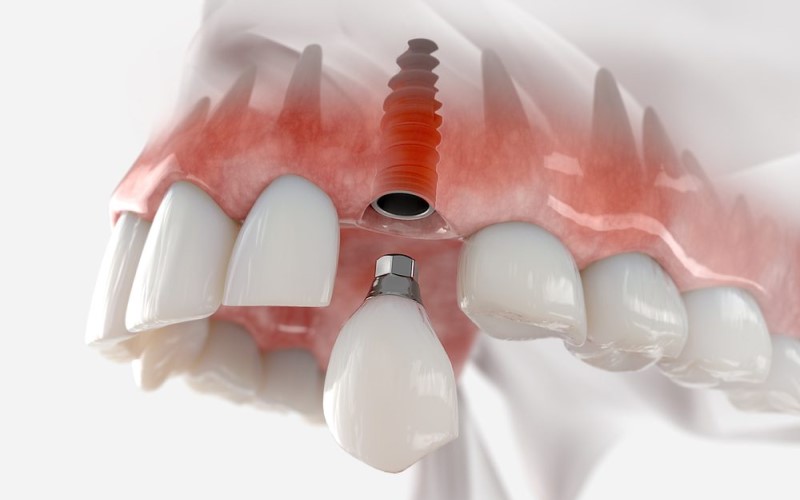
The dental implant is surgically placed into the jawbone to serve as a sturdy foundation for the artificial tooth.
3. Osseointegration
Over several months, the implant fuses with the surrounding bone tissue, ensuring stability and durability.

Quick Tip:
Talk to your dentist about identifying any wear and tear on your teeth, which could be a sign of nighttime teeth grinding. If confirmed, consider using a nightguard to protect your dental implant.
4. Abutment Placement
Once the implant has integrated successfully, an abutment is attached to connect the implant with the artificial tooth.
5. Impression and Restoration
An impression of your teeth is taken to create a custom-made dental crown or prosthesis, which is then attached to the abutment.
6. Follow-up Care
Regular check-ups allow your dentist to monitor healing and ensure the long-term success of your dental implant.
→ Identifying Common Scenarios of Needing Dental Implants:
Explore the typical situations where dental implants can be the most beneficial solution for restoring missing teeth.
Missing Teeth
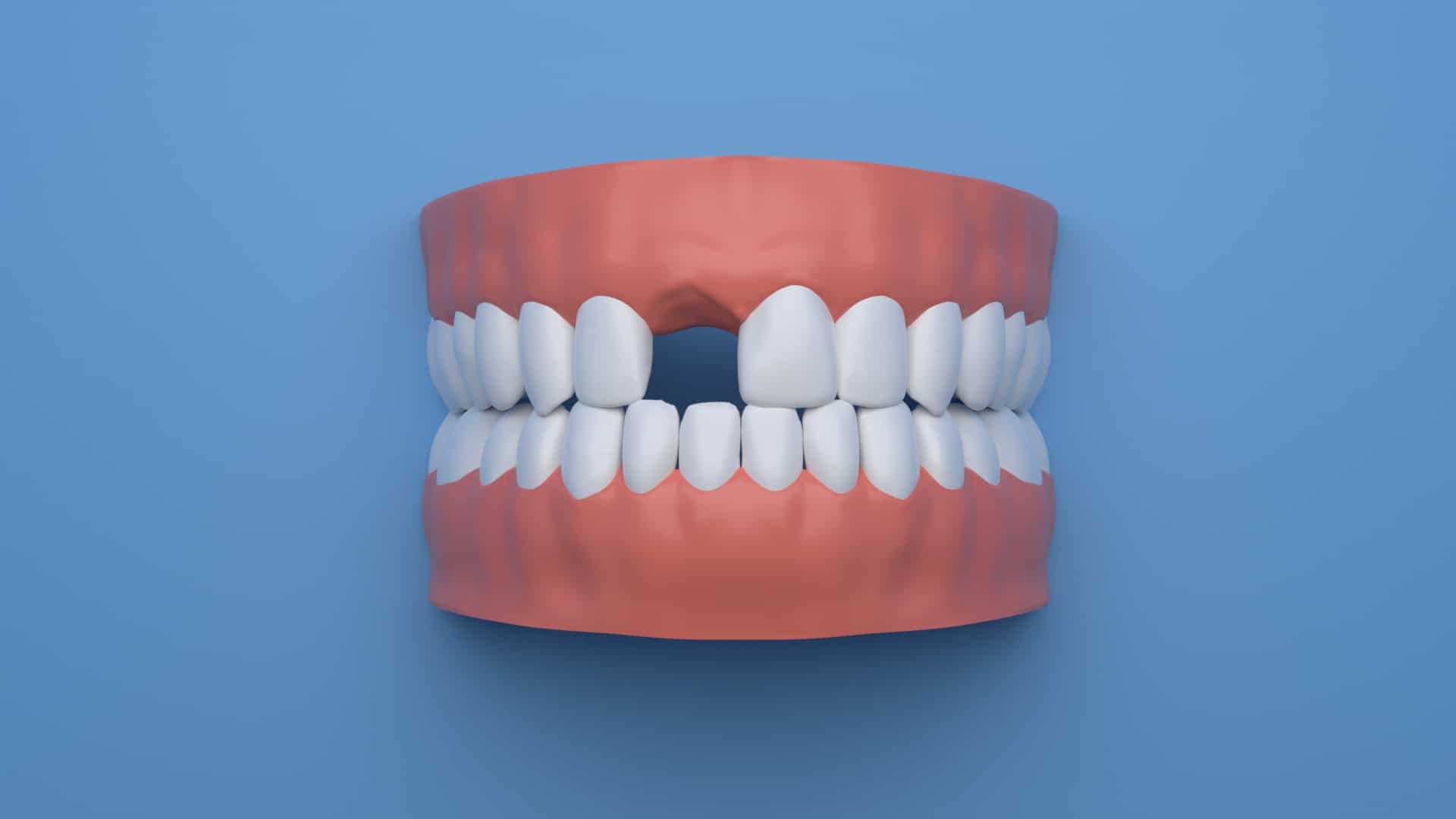
Dental implants are often needed to replace one or more missing teeth, restoring function and aesthetics.
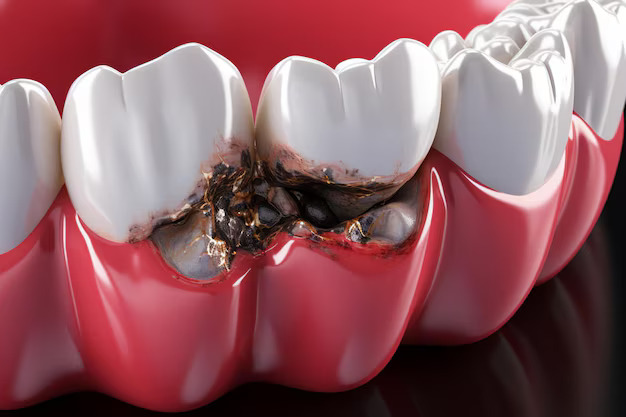
Tooth Decay
Severe tooth decay that cannot be effectively treated with fillings or crowns may require extraction and replacement with a dental implant.

Trauma
Dental trauma resulting from accidents or injuries may necessitate the removal of damaged teeth and the placement of dental implants.
→ What are the Benefits of Dental Implants?
Explore the array of advantages associated with dental implants in a comprehensive overview of their benefits.
Enhanced Appearance
Dental implants improve the appearance of the smile by filling in gaps left by missing teeth.
Improved Speech
They help in articulating words more clearly by providing stable support for speech.
Enhanced Comfort
Unlike removable dentures, implants become a permanent part of the mouth, offering greater comfort and stability.
Durability
Dental implants are durable and can last a lifetime with proper care, providing a long-term solution for missing teeth.
Aftercare Tips:
Explore essential aftercare tips to ensure the longevity and success of your dental implants.
1. Maintain Oral Hygiene
Brush and floss regularly to keep the implant site clean and free of plaque buildup.
2. Attend Regular Check-ups
Schedule routine dental visits for professional cleanings and examinations to monitor the health of your implants.
3. Avoid Hard Foods
Steer clear of hard or sticky foods that could potentially damage the implant or surrounding tissues.
4. Protect Against Teeth Grinding
If you grind your teeth, consider wearing a nightguard to prevent damage to your dental implants.
(Click to view images)