
Did you know? The modern deep cleaning procedure, involving thorough removal of plaque and tartar from below the gumline, was developed in the early 20th century with advancements in dental technology.
Treatment Type #5
Deep Dental Cleanings: From Procedure to Aftercare.
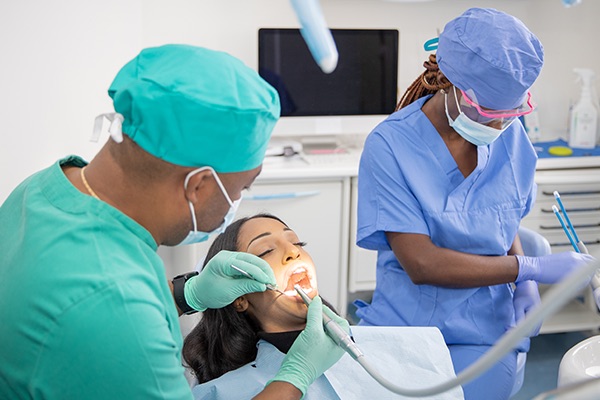
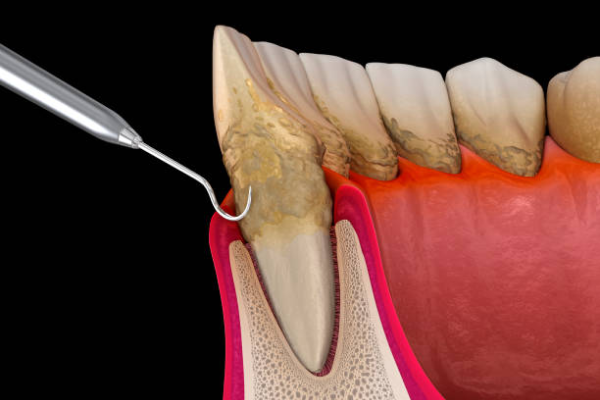
Deep dental cleanings, also known as scaling and root planing, is a dental procedure designed to address gum disease and impede its progression. This process involves removing plaque and tartar from below the gumline and smoothing the tooth roots.
→ Our Deep Dental Cleaning Procedure:
Deep cleaning procedures are crucial for managing gum disease and addressing tartar buildup below the gumline, ensuring comprehensive oral health and preventing further dental complications.

1. Assessment
The dentist or dental hygienist begins by assessing the extent of gum disease through a comprehensive examination, which may include probing the gum pockets and taking X-rays.
2. Anesthesia
Local anesthesia is often administered to ensure patient comfort during the procedure, especially if deep cleaning is performed below the gumline.
3. Scaling
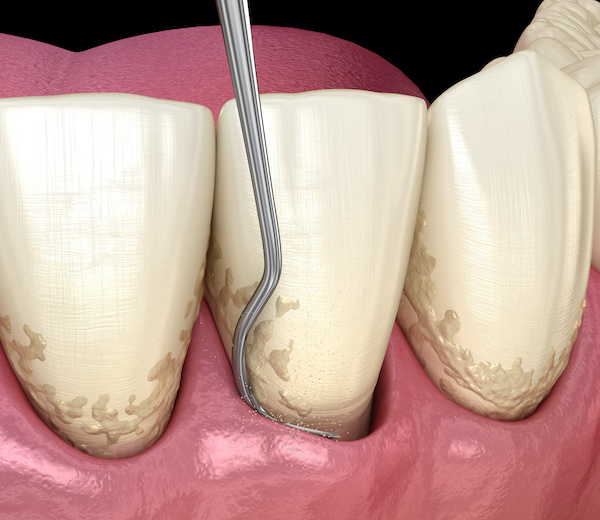
Using specialized instruments such as ultrasonic scalers and hand scalers, the dental professional removes plaque, tartar, and bacteria from the surfaces of the teeth and below the gumline.

Quick Tip:
Follow your dentist’s recommendations for home care and any treatment suggestions to effectively manage and potentially reverse gum disease, depending on its severity.
4. Root Planing
The root surfaces of the teeth are smoothed out (planed) to remove rough spots and bacterial toxins, facilitating gum tissue healing and reattachment to the tooth roots.
5. Antibacterial Rinse
A antimicrobial mouth rinse or gel may be applied to the treated areas to help eliminate remaining bacteria and promote healing.
6. Follow-up
The patient is typically instructed on proper oral hygiene practices and may be scheduled for follow-up appointments to monitor healing and ensure the effectiveness of treatment.
→ Recognizing the Need for Deep Dental Cleanings:
Recognizing the need for deep dental cleanings is crucial as it helps prevent the progression of gum disease, preserving oral health and preventing tooth loss. Early detection allows for timely intervention with deep cleanings, reducing the risk of complications and ensuring optimal oral hygiene. Understanding the signs of gum disease prompts proactive dental care, promoting long-term gum health and preventing costly treatments in the future.
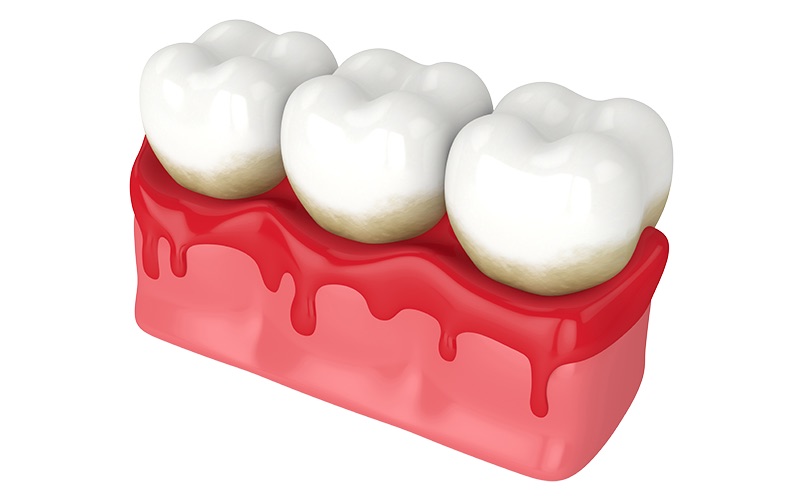
Bleeding Gums
Bleeding gums may indicate the presence of gum disease and the need for deep dental cleanings to remove tartar and bacteria below the gumline.
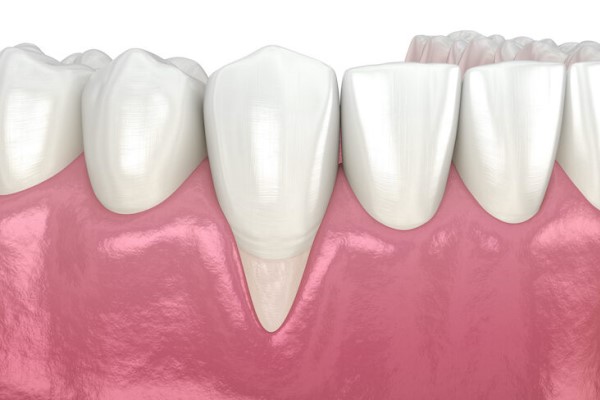
Receding Gums
Receding gums, characterized by gum tissue pulling away from the teeth, can expose tooth roots and require deep cleanings to address underlying gum disease and prevent further recession.
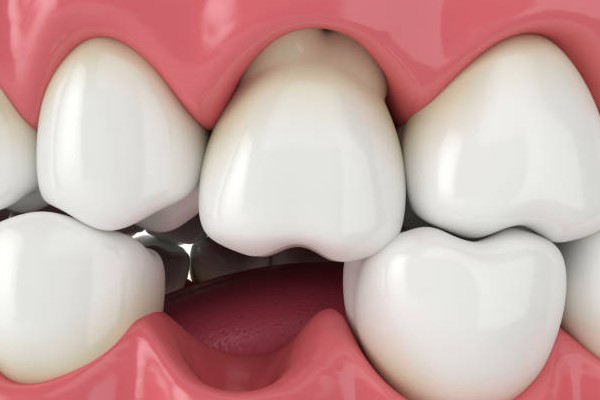
Loose Teeth
Loose teeth may be a sign of advanced gum disease, necessitating deep dental cleanings to remove bacteria and toxins causing bone loss and instability.
→ What are the Benefits of Deep Dental Cleanings?
Deep dental cleanings are typically recommended for patients diagnosed with gum disease to effectively address and manage the condition, promoting gum health and preventing further deterioration.
Halts or Reverses Gum Disease
Effective in stopping or reversing gum disease in its early stages.
Treats Current Infection
Addresses existing infections and supports healing.
Cleans Teeth Above and Below the Gumline
Thoroughly cleans teeth both above and below the gumline.
Eliminates Bad Breath
Can eliminate bad breath associated with gum disease.
Aftercare Tips:
Adhering to aftercare instructions diligently preserves the benefits of the deep dental cleaning and supports ongoing oral wellness.
1. Avoid Eating Until the Anesthetic Wears Off
Eating while numb may result in unintentional biting of soft tissues.
2. Avoid Hard or Spicy Foods
Steer clear of challenging foods for the initial 48 hours after the procedure.
3. Rinse with Warm Salt Water
Rinse with warm salt water hourly to reduce swelling and inflammation.
4. Maintain Good Oral Hygiene
Brush teeth twice daily with fluoride toothpaste and floss regularly.
5. Regular Dental Check-ups
Schedule regular check-ups and cleanings to prevent potential issues.
(Click to view images)